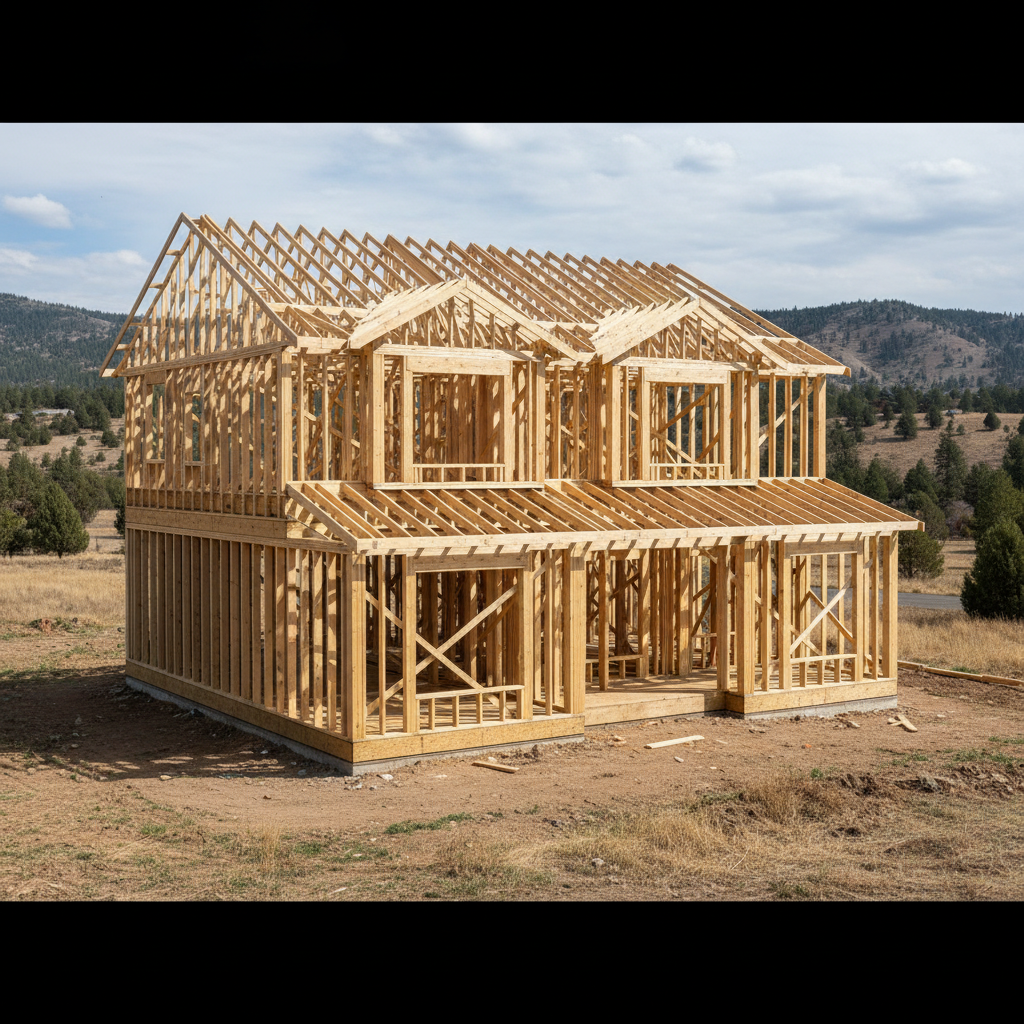
Alright, so you're thinking about building a new home, adding an ADU, or doing a big remodel here in Redmond. That's exciting! But let's be real, finding the right contractor can feel like navigating a minefield. You hear stories, right? Projects going sideways, budgets exploding, builders disappearing. I've seen it all in my years working around Central Oregon, and I want to help you avoid those headaches. This isn't about scaring you; it's about empowering you to make smart choices.
What to Ask Potential Builders
When you're sitting down with a potential builder, you've got to come prepared. Don't just listen to their pitch; ask tough questions. Here's what I'd be asking if I were in your shoes:
- Can I see your CCB license number and proof of insurance? This is non-negotiable. Every legitimate contractor in Oregon needs a Construction Contractors Board (CCB) license. And they absolutely need general liability and workers' compensation insurance. If they balk, walk away.
- How many projects like mine have you completed in the last year? You want someone with relevant experience. If you're building a custom home, you don't want a builder whose main gig is deck repairs.
- Who will be my primary point of contact, and how often can I expect updates? Communication is key. You need to know who to call and how often you'll hear from them. Weekly check-ins are pretty standard for bigger projects.
- Can you provide at least three recent references? And don't just take the names; actually call them. Ask about their experience, if the project stayed on budget and schedule, and if they'd hire the builder again.
- How do you handle change orders? Changes happen. It's how a builder manages them that matters. You want a clear process, in writing, before any extra work begins.
- What's your typical project timeline, and what factors could affect it? They should be able to give you a realistic timeframe and explain potential delays, like material availability or permitting issues with Deschutes County.
- What warranties do you offer on your work? A good builder stands behind their craftsmanship. Get it in writing.
Decoding the Quote: What to Look For
Getting a quote isn't just about the bottom line. You need to understand what you're actually paying for. A good quote is detailed, not just a single number.
- Line-item breakdown: Does it clearly list costs for materials, labor, permits, subcontractors, and any other fees? A lump sum quote is a red flag. You need to see where your money is going.
- Allowances: For things like fixtures, flooring, or cabinets, builders often include 'allowances.' Make sure these are realistic for your taste and budget. If the allowance for kitchen cabinets is $5,000, and you're dreaming of custom alder wood, you're going to blow past that.
- Payment schedule: How are payments structured? Avoid builders who demand a huge upfront payment. A typical schedule might be 10-20% upfront, then progress payments tied to specific milestones (foundation poured, framing complete, etc.). The final payment should always be withheld until the project is 100% complete and you're satisfied.
- Exclusions: What's NOT included? This is just as important as what is. Does it cover landscaping? Appliance installation? Site cleanup? Make sure there are no surprises.
- Contingency fund: A smart builder will often include a contingency fund (usually 5-10% of the project cost) for unforeseen issues. This isn't a builder trying to pad their pockets; it's a realistic approach to construction. Especially when you're digging into that volcanic soil we have here in Redmond, you never know what you might hit.
Red Flags You Can't Ignore
Trust your gut, but also look for these concrete warning signs:
- No CCB license or insurance: As I said, this is a deal-breaker. Don't even consider it.
- Demands a large upfront payment: More than 20% is usually excessive.
- No written contract: Never, ever proceed without a detailed, signed contract.
- Pressure to sign immediately: A reputable builder will give you time to review the proposal and ask questions.
- Unwillingness to provide references or show past work: If they're proud of their work, they'll be happy to show it off.
- Quotes that are significantly lower than others: This often means they're cutting corners, using cheap materials, or haven't accounted for everything. You get what you pay for.
- Poor communication from the start: If they're hard to get a hold of now, imagine what it'll be like when your project is underway.
Verifying Legitimacy: Do Your Homework
Before you sign anything, do your due diligence. It takes a little time, but it's worth every minute.
- Check the CCB website: Go to the Oregon Construction Contractors Board website (oregon.gov/ccb) and search for their license number. You can see their license status, any disciplinary actions, and whether their insurance and bond are current. This is your first and most important step.
- Look up reviews: Google, Yelp, Houzz, Facebook – check them all. Look for patterns in positive and negative reviews. Don't just dismiss a single bad review, but also don't let it be the only thing you consider.
- Call their references: Seriously, call them. Ask specific questions about their experience.
- Visit a current job site (if possible and with permission): This can give you a real sense of their organization, safety practices, and the quality of their crew's work. Just make sure you ask permission first; don't just show up.
- Check with the Better Business Bureau (BBB): See if they have a rating or any complaints filed against them.
Building or remodeling your home is a huge investment, both financially and emotionally. Don't rush into it. Take your time, ask the right questions, and verify everything. Here at Valley ADU Company, we believe in transparency and doing things the right way, and we expect you to hold us, and any other builder you consider, to that same standard. Good luck, and I hope your project goes smoothly!