Understanding Your New Home Warranty: More Than Just Paperwork
So, you've just moved into your brand-new home here in Redmond. Huge congratulations! That's a big deal. Along with the keys, you probably got a whole stack of papers, and somewhere in there is your new home warranty. Most folks just stash it in a drawer, forgetting all about it until a problem crops up. That's a real missed opportunity. Your warranty isn't just some safety net; it's actually a tool. Use it to keep your home in top shape and make sure any issues get fixed properly.
Think of it this way: your builder stands behind their work for a set period. Typically, you'll see a 1-year warranty covering materials and workmanship. Then there's often a 2-year warranty for systems like plumbing, electrical, and HVAC. And, quite commonly, a 10-year structural warranty. These aren't always set in stone, though, so the very first thing you need to do is actually read your specific warranty document. I know, I know, it's not exactly a thrilling novel, but it's absolutely crucial. Pay close attention to what's covered, what's excluded, and, most importantly, the exact steps for making a claim and all the timelines involved.
Before You Even Move In: That Pre-Settlement Walkthrough
This is your best shot, your very first chance, to catch any issues. Seriously, don't rush it. Grab a notebook, a camera, and maybe even a roll of painter's tape. Walk through every single room. Open every cabinet, flush every toilet, turn on every faucet, and test every light switch. Look for anything that just isn't quite right. Scratches on floors, paint drips, doors that don't close smoothly, leaky faucets, outlets that don't work – write it all down. Take pictures or video of everything you find.
This isn't the time to be shy, by the way. Point out anything that looks off to your builder's representative. They should create a "punch list" of items to be corrected before you close. Make sure you get a copy of this list and a clear timeline for when those fixes will be completed. You'd be surprised how many small things can add up, or become bigger headaches later on, if they're not handled upfront.
The First Year: Your Active Inspection Period
Once you're settled in, the clock starts ticking on that 1-year warranty. This is where you basically become your own home inspector. You don't need fancy tools, just a keen eye and a consistent routine. I'd recommend doing a really thorough walkthrough of your home every three to six months during that first year. Here's what to look for:
- Inside: Check for cracks in drywall (especially around doors and windows). Are doors or windows sticking? Any leaky pipes under sinks? Toilets that run? Flickering lights? Outlets that feel loose? And, of course, any signs of water stains on ceilings or walls.
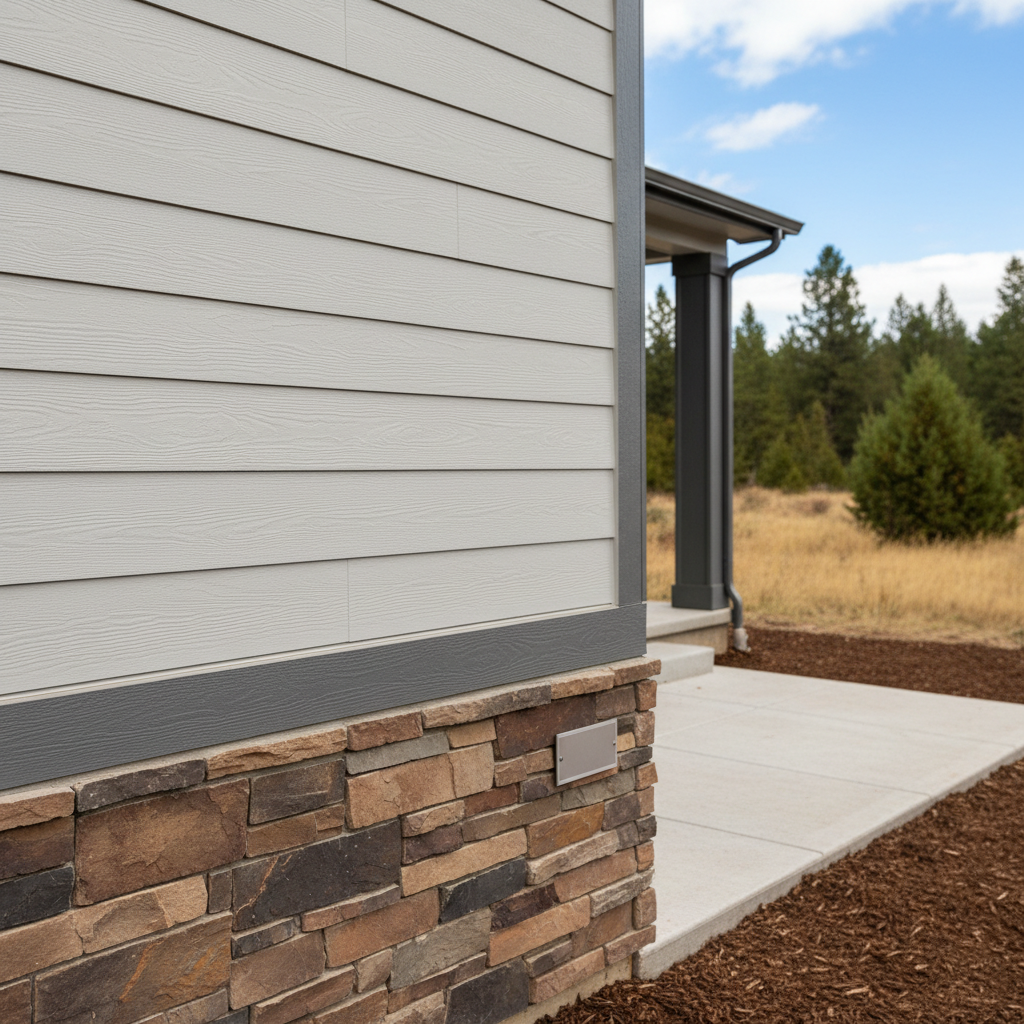
- Outside: Walk around the perimeter of your house. Look at the siding for any damage or loose pieces. Check your roofline from the ground for missing shingles or flashing issues. Make sure your gutters are clear and draining properly. Look at your foundation for any new cracks. Pay special attention to the grading around your foundation – water should always drain away from the house, particularly with our Central Oregon winters and spring thaws. If you see water pooling near the foundation, that's a problem you absolutely want to bring up with your builder.
- Systems: Test your HVAC system in both heating and cooling modes. Make sure your water heater is working efficiently.
For most of these, if you spot something, you can probably identify it yourself. A small nail pop in the drywall? You can easily mark it. A door that sticks? You can usually tell it's not closing right. These are all things you'll add to your warranty claim list.
When to Call a Pro (and Your Builder)
While you can spot a lot of issues, some things definitely need a professional eye. If you notice a significant crack in your foundation, a persistent leak you can't trace, or an electrical issue that goes beyond a simple tripped breaker, don't try to fix it yourself. That's when you document it thoroughly and immediately contact your builder, following your warranty's claim procedure.
For example, if you're seeing signs of moisture in your crawl space or basement, especially if you're in an area with high water tables, like some parts of Redmond near the river, that's a job for the builder's experts. Trying to patch it yourself could actually void your warranty on that specific issue. The same goes for HVAC problems. You can check if the filter is clean, but if the unit isn't heating or cooling, let the pros handle it.
Remember, the warranty is there to protect you from defects in materials and workmanship. If you accidentally put a hole in your wall, well, that's on you. But if a window seal fails and you get condensation between the panes, that's likely a warranty item. Keep good records of all your communications with the builder, including dates, names, and what was discussed. If you're having trouble getting a response, a clear paper trail is your absolute best friend.
Beyond the First Year: The Longer-Term Warranties
Even after your 1-year and 2-year warranties expire, you still have that structural warranty, often for 10 years. This covers major structural components like your foundation, load-bearing walls, and roof framing. These are the big-ticket items. Again, if you notice significant issues like large cracks in your foundation, sagging floors, or major roof leaks (that aren't due to storm damage or lack of maintenance), those are potential structural claims. Valley ADU Company focuses on building things right from the ground up, but even the best builders can have unforeseen issues, and that's precisely what these longer warranties are for.
Staying on top of your new home warranty isn't about being a nuisance; it's about being a smart homeowner. You paid good money for your house, and you deserve for it to be built correctly. Use that warranty as your guide and your protection.