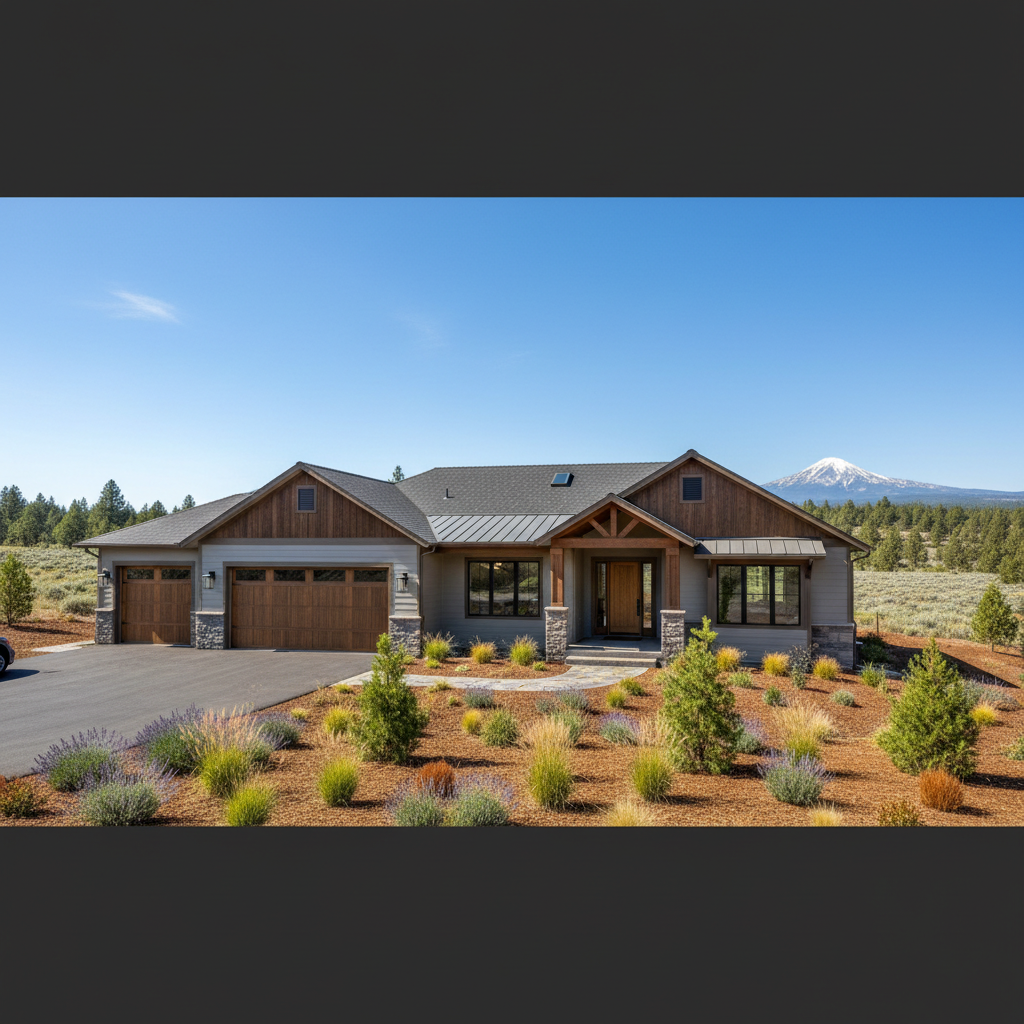
Planning Your Redmond Exterior Project: What to Expect
So, you're ready to give your home's exterior a facelift. Maybe it's new siding, a fresh coat of paint, or replacing some tired trim. That's a big project, and it's smart to go into it with a clear head. As a contractor here in Redmond, I've seen a lot of these jobs, and I can tell you that a little planning goes a long way. Let's talk about what you need to know to make your exterior finishing project go as smoothly as possible.
Timeline: Don't Rush It
First off, don't expect this to happen overnight. A good exterior project takes time, and you want it done right, especially with our Central Oregon weather. From your first thought to the final nail, you're probably looking at a few months, minimum. Here's a rough breakdown:
- Research & Planning (2-4 weeks): This is where you figure out what you want. What materials? What colors? What's your budget? Get some ideas, maybe drive around some of the newer developments near the Dry Canyon to see what styles you like.
- Getting Bids (2-4 weeks): You'll want to talk to at least three reputable contractors. This isn't just about price; it's about finding someone you trust.
- Permits (4-8 weeks, sometimes more): This is often the longest waiting game. Depending on the scope of work, you might need a permit from the City of Redmond. Don't skip this; it protects you in the long run. Good contractors handle this, but the wait time is out of their hands.
- Material Ordering (2-6 weeks): Once you've picked your materials, they need to be ordered and delivered. Supply chain issues can still pop up, so factor that in.
- Construction (2-8 weeks): This varies wildly based on the size of your home and the complexity of the job. A full siding replacement on a larger house will take longer than just painting.
See? It adds up. Be patient, and don't let anyone rush you into a bad decision.
What to Expect During the Process
Once the project kicks off, your home is going to be a construction zone for a bit. It's just the nature of the beast. Here's what you can generally expect:
- Noise and Dust: There's no getting around it. Saws, hammers, air compressors – it's going to be loud. And yes, there will be dust. Contractors try to contain it, but some will get around.
- Crew on Site: You'll have people working around your house during business hours, usually Monday through Friday. They'll need access to power and maybe a bathroom.
- Material Deliveries: Large trucks will deliver materials, and they'll likely be stacked somewhere accessible, probably in your driveway or yard.
- Changes & Questions: Things can come up once work starts. Maybe they uncover some dry rot under your old siding (which isn't uncommon in older Redmond homes, especially those built before modern moisture barriers were standard). Your contractor should communicate these issues promptly and discuss solutions and any potential cost adjustments.
- Daily Cleanup: A good crew will do a basic cleanup at the end of each day, securing tools and picking up debris. They won't leave a mess for you to trip over.
How to Prepare Your Home and Family
You can do a few things to make life easier for everyone once the work starts:
- Clear the Perimeter: Move patio furniture, grills, planters, and anything else away from the house. If you have delicate landscaping, talk to your contractor about protecting it.
- Secure Pets: Keep pets indoors or in a secure area away from the work zone. Open gates and unfamiliar people can be a recipe for a lost pet.
- Park Smart: Know where the crew will need to park their vehicles and where materials will be stored. You might need to park on the street for a while.
- Notify Neighbors: A quick heads-up to your immediate neighbors about the upcoming noise and activity can go a long way in maintaining good relations.
- Interior Prep: If you're getting new windows or siding, you might want to cover furniture near those walls inside to protect against dust. Take down any valuable wall hangings that could be rattled off.
Questions to Ask Before Signing a Contract
This is crucial. Don't sign anything until you're comfortable with the answers to these questions. This is where you protect yourself and your investment:
- Are you licensed, bonded, and insured in Oregon? Ask for proof. Don't take their word for it. This protects you if something goes wrong.
- Can you provide references from recent, similar projects? And actually call them! Ask about communication, timeliness, and how issues were handled.
- What's your payment schedule? A reputable contractor won't ask for a huge upfront deposit. Typically, it's a deposit, progress payments, and a final payment upon completion and your satisfaction.
- What's included in the bid, and what's not? Get a detailed breakdown. Are permits included? Debris removal? Final cleanup? What about unforeseen issues like dry rot – how are those handled financially?
- What kind of warranty do you offer on your workmanship? Materials usually have their own manufacturer's warranty, but you want to know the contractor stands behind their installation.
- Who will be the primary point of contact? You need one person you can call with questions or concerns.
- How do you handle changes to the scope of work? Get it in writing! Any changes should be documented with a change order that you both sign.
- What's the estimated start and completion date? Understand that these can be flexible, especially with weather, but you need a general idea.
- Do you use subcontractors, and if so, are they also licensed and insured? It's common for contractors to use subs for specific tasks, but you want to make sure they're properly vetted.
Taking the time to ask these questions will save you headaches down the road. We at Valley ADU Company believe in transparency, and any good contractor will be happy to answer all of these for you. Your home is a big investment; make sure your exterior project is handled with care and professionalism.