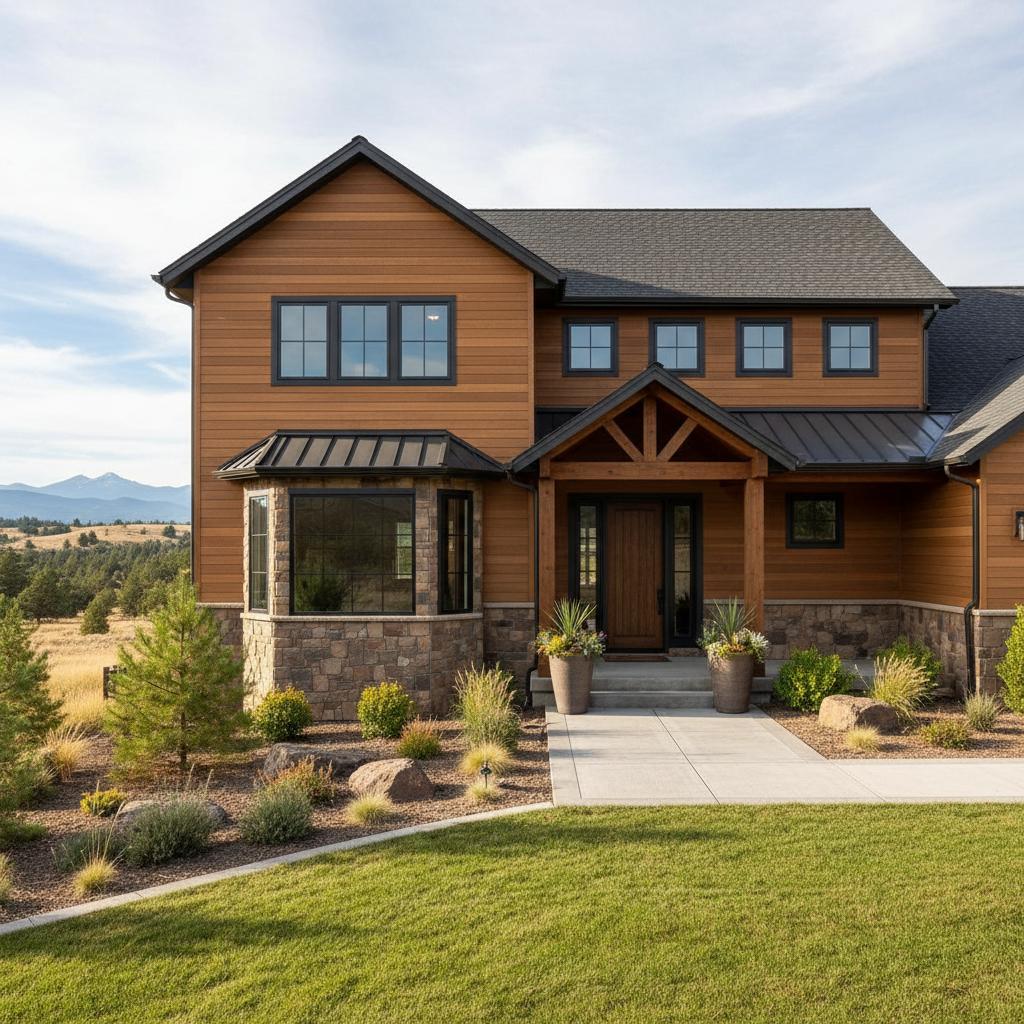
Alright, so you're thinking about building something here in Redmond. Maybe it's that custom home you've always wanted, or perhaps you're finally getting around to adding an ADU for your parents. Whatever the project, picking the right contractor is probably the biggest decision you'll make. Mess it up, and you're looking at a world of headaches, delays, and surprise costs. Get it right, though, and your project can actually be pretty smooth – maybe even enjoyable.
I've been in this business a long time, and believe me, I've seen it all. Here’s what you really need to know when you're talking to builders and sifting through their proposals.
Smart Questions to Ask Potential Builders
Don't be shy. This is your money, your home we're talking about. You've got to ask tough questions and expect clear answers. If a builder gets defensive, well, that's a red flag waving right there, isn't it?
- How many projects like mine have you finished in the last couple of years? You want someone with current, relevant experience. Building a custom home is different from a production home, and an ADU? Those have their own unique quirks.
- Who's going to be my main contact person, and how often can I expect updates? Communication is absolutely key. You shouldn't have to guess what's happening on your job site.
- Can I chat with your last three clients? Don't just settle for the ones they hand-pick. Ask for the *last three* completed projects. That’ll give you a real, unfiltered look at how they perform.
- What's your typical project timeline, and what usually causes delays? They should be upfront about potential issues, things like material lead times or the permitting process with Deschutes County – which, let's be honest, can sometimes be a real bear.
- How do you handle change orders? This is crucial. Things change, they just do. You need a clear, written process for how they'll price and get approval for any changes to the original plan.
- What kind of warranty do you offer on your work? Get it in writing. Standard practice is usually a year for workmanship, but some folks offer more.
What to Look For in a Quote
A quote isn't just a number, you know. It's supposed to be a detailed breakdown of what you're actually getting for your money. If it's just a single page with a total at the bottom, just walk away. And do it fast.
- Detailed Scope of Work: Does it clearly spell out everything that’s included? From digging and the foundation (super important with some of our rocky soil around Redmond) to framing, roofing, plumbing, electrical, HVAC, insulation, drywall, painting, and all the finishes. The more detail, the better, truly.
- Material Specifications: It should list specific brands, models, or at least a quality level for the main components. For instance, 'Andersen 100 Series windows' is way better than just 'windows.' Or 'LVP flooring, 12mm' instead of 'flooring.'
- Allowances: Lots of quotes will have 'allowances' for things like light fixtures, cabinets, or flooring. Just make sure these allowances are realistic for what you're actually expecting. If they quote $1,500 for kitchen cabinets when you're dreaming of custom alder, you're in for a big surprise later on.
- Payment Schedule: This needs to be clearly laid out, usually tied to project milestones. Be really careful about anyone asking for a huge upfront deposit (more than 10-20% is often a red flag) or demanding big payments before a lot of work is actually done.
- Exclusions: What's *not* included? This is just as important as what is. Landscaping, utility hook-ups, fencing, window treatments – sometimes these aren't part of the base bid.
- Permit Costs: Is the builder handling and including the cost of all necessary permits, or is that going to be on your plate?
Red Flags You Can't Ignore
Trust your gut feeling. If something feels off, it probably is.
- No written contract or vague contracts: Never, ever move forward without a detailed, signed contract.
- Demanding cash payments or really large upfront deposits: This is a huge no-no.
- Unwillingness to provide references or proof of insurance/licensing: If they’re legitimate, they'll have these things ready and waiting.
- Extremely low bids: If one bid comes in way lower than all the others, there’s usually a reason. They've either missed something big, or they're planning to cut corners.
- High-pressure sales tactics: A good builder doesn't need to strong-arm you into anything.
- Poor communication: If you can barely get a hold of them before you even sign a contract, just imagine what it'll be like once the project actually starts.
How to Verify Legitimacy
You really need to do your homework here. It's not hard, and it can save you a lot of grief.
- Check their Oregon CCB License: Every legitimate contractor in Oregon needs a Construction Contractors Board (CCB) license. Go to the CCB website and look them up. Make sure their license is active, and check their complaint history. You can also see if they have any past judgments against them.
- Verify Insurance: Ask for proof of liability insurance and worker's compensation insurance. Call their insurance provider directly to confirm the policy is active and covers your project type. If a worker gets hurt on your property without worker's comp, you could be liable, you know?
- Google Reviews and Other Online Presence: Look at their reviews on Google, Yelp, Houzz, and so on. Don't just look at the star rating; read the actual comments. How do they respond to negative feedback, for instance?
- Ask for a physical address: A P.O. Box just isn't enough. They should have a real office or shop, even if it's small. For us at Valley ADU Company, our shop is right here in Redmond, and you're always welcome to stop by.
- Visit a current job site (if possible and with permission): See how they run their operations. Is it clean? Are workers wearing safety gear? Do they seem organized?
Taking the time to properly vet your builder is an investment, plain and simple. It's not just about finding someone who can swing a hammer; it’s about finding a partner who will communicate, be transparent, and actually deliver on their promises. Do your due diligence, and you'll be much happier with how your Redmond building project turns out.