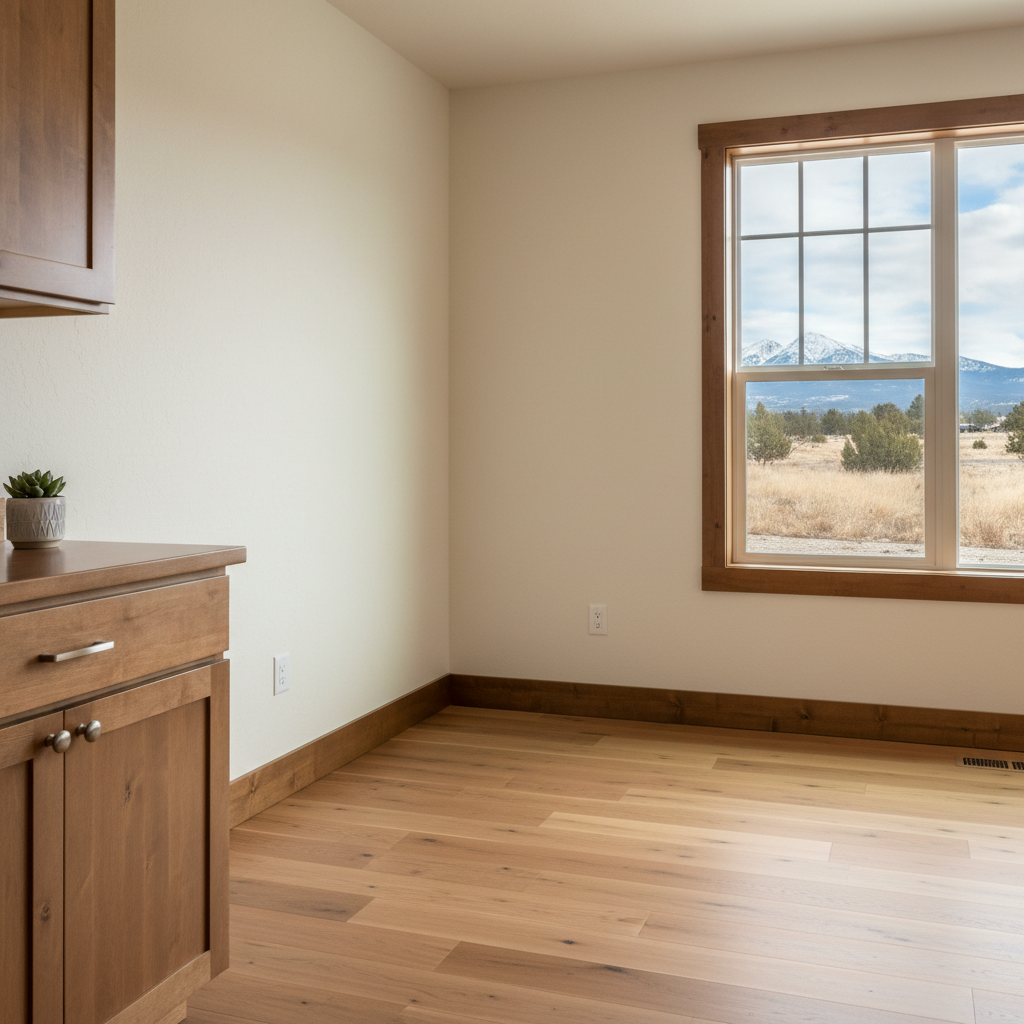
You've poured good money into your home's interior finishes, whether it's fresh paint, new flooring, or detailed trim work. It just makes sense to protect that investment, right? I've seen countless homes around Redmond, from the newer builds out by Eagle Crest to the charming older places downtown, and the difference good maintenance makes is truly night and day. It's not just about keeping things looking sharp; it's about safeguarding your home's value and, frankly, avoiding some seriously expensive repairs down the road.
Make Your Interior Finishes Last Longer
Getting your home's interior finishes to really last boils down to a few pretty simple habits. Think of it like taking care of your car – regular oil changes keep it running longer, right? For your house, it's all about being proactive.
- Keep Humidity in Check: This is a huge one, especially for us here in Central Oregon. We get those bone-dry, cold winters, then an occasional damp spring. Wild swings in humidity are brutal on wood trim, cabinets, and even drywall. Wood expands and contracts, which can lead to cracks in paint, joints pulling apart, and even warped doors. Grab a good humidifier for those dry months and a dehumidifier if you notice things getting clammy. Aim for a steady 30-50% relative humidity. Your hardwood floors will absolutely thank you.
- Protect Your Surfaces: Simple stuff, honestly, but people often forget. Use furniture pads under chairs and tables; they'll save your floors from scratches. Coasters for drinks? A total must on wood surfaces. And entry mats at all your doors trap dirt and grit, which can act like sandpaper on your floors over time.
- Clean Gently, and Clean Often: Don't wait for grime to build up. Dust surfaces every week. For painted walls, a soft, damp cloth with a little mild soap is usually all you need for scuffs. Always test in a hidden spot first, just in case. For flooring, stick to what the manufacturer recommends. Harsh chemicals can strip finishes and actually do more harm than good.
- Watch Out for the Sun: Our Redmond sunshine is gorgeous, but man, it's tough on finishes. UV rays can fade paint, stain, and even some fabrics over time. Think about UV-blocking window films, or just close your blinds and curtains during the sunniest parts of the day, especially on south and west-facing windows.
What "Regular Maintenance" Really Means
Beyond those daily habits, there are some routine checks and tasks you should be doing to keep everything in really good shape.
- Seasonal Walk-Throughs: Twice a year, take a good look around your house. Check all your baseboards and trim. See any new gaps or cracks? Peek around windows and doors for drafts, which could mean your caulk is failing. Inspect your ceilings for any water stains – a common sign of a roof or plumbing issue that needs fixing right away.
- Touch-Up Paint: Keep a small amount of your wall paint and trim paint handy. Little nicks and scuffs happen, you know? Touching them up quickly stops them from becoming bigger, more obvious eyesores. Just make sure the surface is clean before you brush it on.
- Caulk Inspection: Caulk around bathtubs, showers, sinks, and even window frames eventually dries out, cracks, and loses its seal. This isn't just an aesthetic problem; it can let water in and cause mold. Re-caulk as needed, usually every few years depending on the spot and product you used. It's a pretty easy DIY job that makes a huge difference.
- Grout Care: For tiled areas, especially in bathrooms and kitchens, make sure your grout is sealed. Grout is porous, so it can soak up moisture and stains. Re-seal it every 1-3 years, or more often in busy, wet spots. And clean up spills on tile right away.
Warning Signs That Something's Wrong
You don't need to be a contractor to spot when something's off. Your home will often tell you there's a problem; you just need to know what to listen for.
- Cracks and Gaps: Small, thin cracks in drywall or paint are often just normal house settling. But large, spreading cracks, especially those that run diagonally from door or window frames, can signal a more serious structural issue. Gaps between baseboards and floors, or trim pulling away from walls, might point to humidity problems or even foundation movement.
- Water Stains or Discoloration: Any yellow, brown, or dark spots on ceilings or walls are a red flag. It almost always means a leak. Don't ignore these – even a small leak can lead to significant damage and mold growth if you leave it.
- Peeling or Bubbling Paint: This could be from poor surface prep initially, but often it's a sign of moisture. If paint is peeling in a bathroom, it might be due to too much humidity. If it's on an exterior wall, water could be getting in from outside.
- Musty Odors: If you keep smelling a persistent musty odor, especially in places like basements or bathrooms, that's a strong indicator of mold or mildew. They just love damp conditions.
- Sagging Floors or Ceilings: This is a serious one. If your floors feel spongy or your ceilings start to bow, it could mean structural damage, water damage, or even a pest infestation.
When to Call a Professional
Look, I'm all for homeowners tackling DIY projects, but sometimes you really need to bring in the pros. Trying to fix something beyond your skill level can often make the problem worse, and way more expensive to repair later on.
- Persistent Leaks or Water Damage: If you've got a recurring leak, or you're seeing significant water stains, it's time to call a plumber or a general contractor like Valley ADU Company. Water damage can hide behind walls and lead to rot and mold you can't even see.
- Large Cracks or Structural Concerns: If you're seeing those bigger, spreading cracks, or you suspect foundation issues, get a structural engineer or an experienced contractor to check it out. This is definitely not a DIY fix.
- Extensive Mold Growth: Small patches of surface mold you can often clean with bleach and water. But if you have large areas of mold, especially if it's black and fuzzy, or if you think it's behind walls, you need professional mold remediation. It's a health hazard, after all.
- Electrical Issues: Any problems with outlets, switches, or lighting that you can't easily identify and fix (like a tripped breaker) should be handled by a licensed electrician. Don't mess with electricity unless you know exactly what you're doing.
- HVAC Problems Affecting Humidity: If you're struggling to keep humidity levels consistent even with humidifiers/dehumidifiers, your HVAC system might need a check-up. A professional can make sure it's sized correctly and running efficiently.
Taking care of your home's interior finishes isn't just about how things look; it's about protecting your investment and making sure your home stays a comfortable, healthy place to live. A little attention now can save you a lot of grief – and money – later on.