What's the difference between a 'finish carpenter' and a 'trim carpenter'?
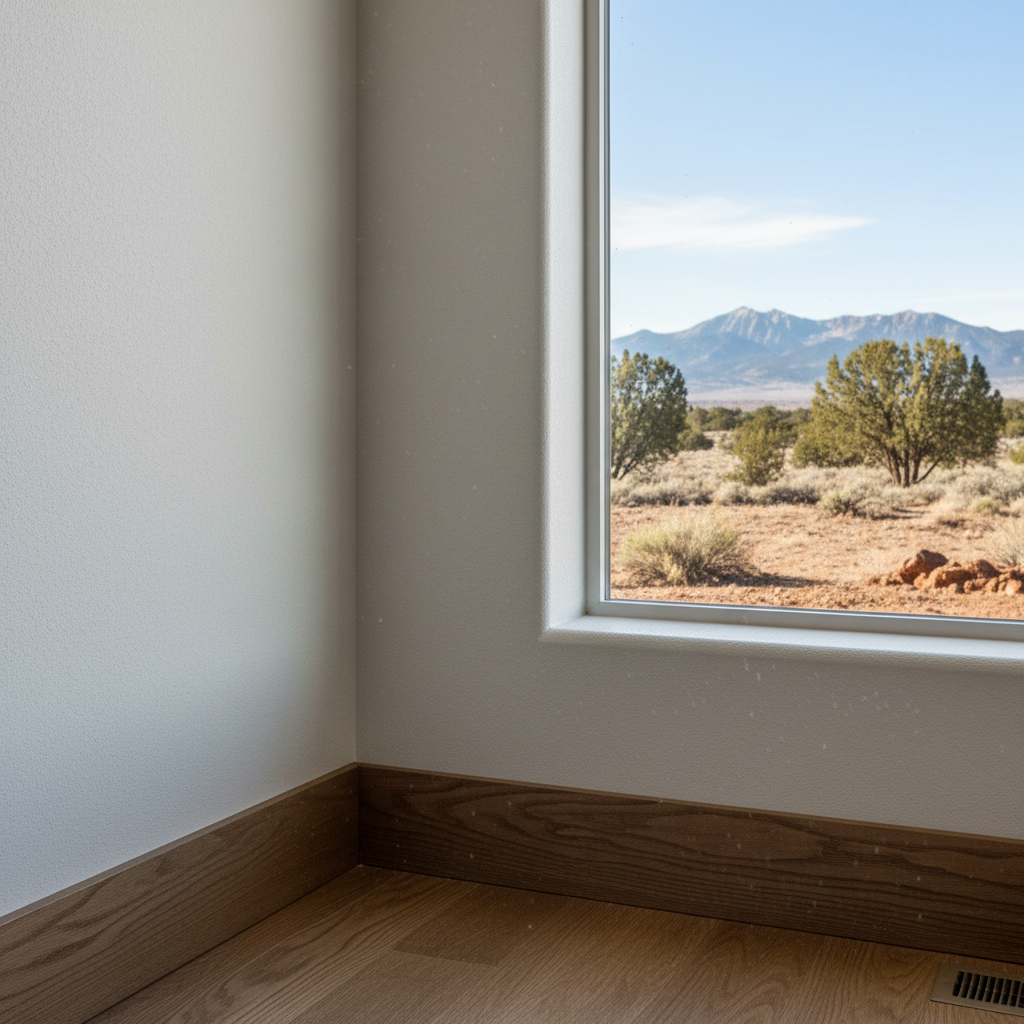
Honestly, a lot of folks use those terms interchangeably, and for good reason. In the trades, especially around here in Central Oregon, they often refer to the same job: installing all the decorative and functional wood elements inside your home after the drywall is up. This includes baseboards, door casings, window trim, crown molding, and sometimes even custom built-ins or wainscoting. A good finish carpenter is all about precision, making those details look just right. They're the ones who really give your interior that polished, finished look. So, if you're talking to someone, don't sweat which term you use; they'll usually know what you mean.
How do I choose the right flooring for my Redmond home?
This is a big one, and it depends a lot on your lifestyle and where in Redmond you live. Are you up on the dry, dusty east side near the airport, or closer to the river where things might be a bit more humid? For homes with pets, kids, or just a lot of foot traffic, durable options like luxury vinyl plank (LVP) are incredibly popular. It's tough, waterproof, and looks great too. Engineered hardwood is another solid choice; it handles our dry climate better than solid hardwood, which can sometimes warp or crack with the big temperature swings we get here. Tile is fantastic for bathrooms and kitchens, obviously, but can feel cold underfoot in living areas without radiant heat. Carpet still has its place in bedrooms for comfort and sound dampening. Think about how you live, what kind of abuse your floors will take, and definitely consider our dry climate when making your choice.
When should I pick out my interior paint colors?
Don't wait until the last minute! I always tell my clients to start thinking about paint colors early in the process, even before drywall is completely finished. Why? Because it takes time. You'll want to get samples, paint swatches on your walls, and see how they look in different lighting conditions throughout the day. What looks great in the store's fluorescent light might be totally different in your living room with natural light coming in from the north. Plus, your paint choices can influence other decisions, like cabinet colors or even flooring. Having your colors finalized before the painters show up keeps the project moving smoothly. Trust me, you don't want to be making these decisions under pressure with a crew waiting.
What's the deal with interior doors? Are all hollow core doors bad?
Not necessarily 'bad,' but they're definitely different from solid core or solid wood doors. Hollow core doors are lighter, less expensive, and don't offer much sound insulation. They're fine for closets or areas where sound isn't a huge concern, but they can feel a bit flimsy. Solid core doors have a dense particleboard or wood fiber core, making them heavier, more durable, and much better at blocking sound. Solid wood doors are the premium option, offering the best sound insulation and a really substantial feel. For bedrooms and bathrooms, I usually recommend solid core doors. They're a good balance of cost and performance. For a home office or a quiet reading nook, solid wood might be worth the upgrade. It's all about what you value and what your budget allows.
How important are trim and molding choices?
Super important! Trim and molding are like the jewelry of your home's interior. They define the style and add character. Simple, clean lines work well for modern or contemporary homes, while more ornate profiles fit traditional or craftsman styles. The height of your baseboards can make a room feel grander, and crown molding can really elevate a space. Don't just pick the cheapest option; think about the overall aesthetic you're going for. Good trim work, done by a skilled finish carpenter like the folks at Valley ADU Company, can transform a plain room into something special. It's one of those details that people might not consciously notice, but they'll definitely feel the difference in quality and style.
Should I consider custom built-ins or shelving?
Absolutely, if it makes sense for your space and needs. Custom built-ins are fantastic for maximizing storage, adding architectural interest, and creating a truly unique feel. Think about a custom entertainment center that perfectly fits your TV and components, or built-in bookshelves around a fireplace. They can be more expensive upfront than freestanding furniture, but they're permanent, add value, and often look much more integrated and refined. They're also great for those odd nooks and crannies that standard furniture just won't fit into. We've done some beautiful custom work in homes all over Redmond, from the older downtown bungalows to the newer developments out near Eagle Crest, and they always make a huge impact.
What's the typical timeline for interior finishing after drywall?
Once the drywall is taped, mudded, and sanded, the interior finishing really kicks into gear. First up is usually priming and painting. That can take anywhere from a few days to a week or more, depending on the size of your home and the number of coats. After paint, the finish carpenters come in to install doors, trim, and any built-ins. That's another few days to a week. Then you'll have flooring installation, which varies wildly depending on the type – LVP might be quick, but tile or intricate hardwood patterns take longer. Finally, plumbing fixtures, electrical devices (outlets, switches, light fixtures), and appliances go in. All told, from primed walls to move-in ready, you're usually looking at least three to six weeks, sometimes more for larger or more complex projects. It's a dance between different trades, and good coordination is key to keeping things moving efficiently.