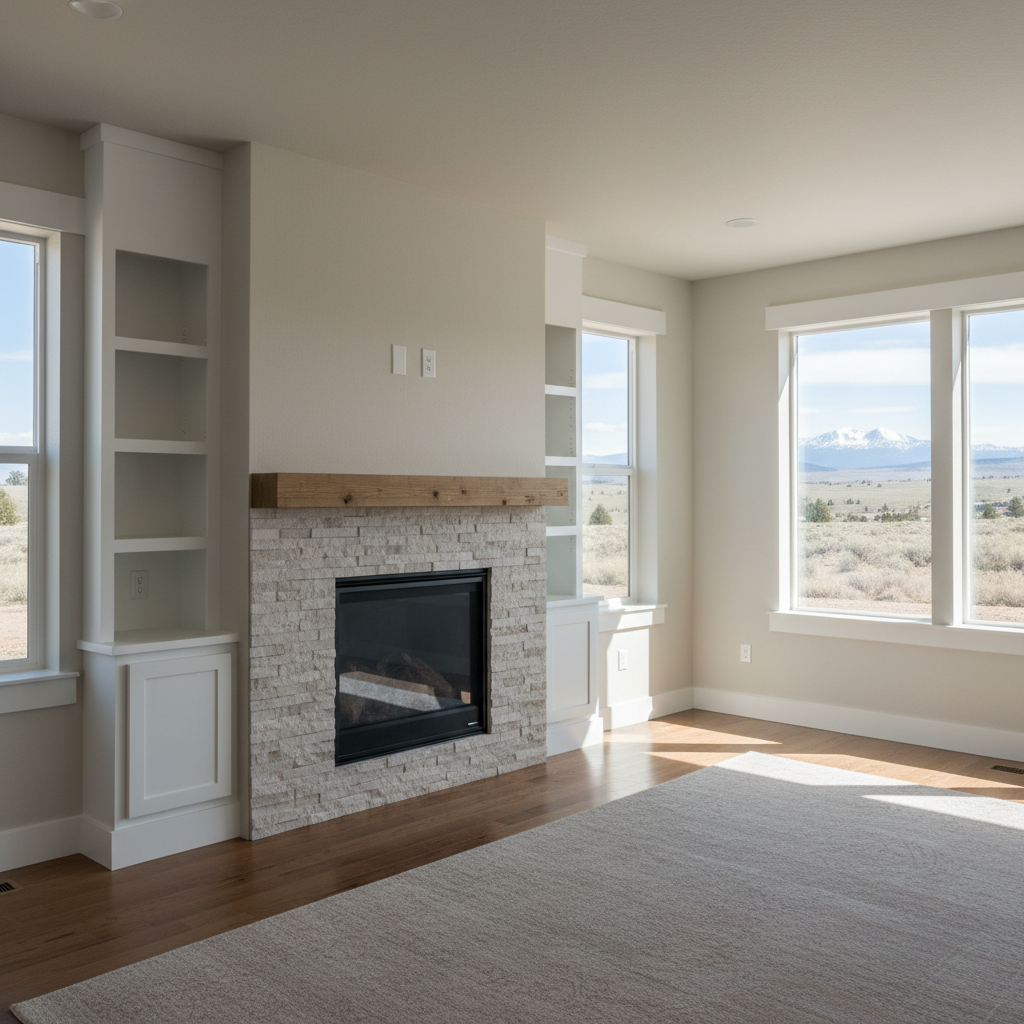
So, you're ready to finish out that basement, add a new room, or maybe just give your existing space a serious upgrade. That's awesome! But before you dive in, you're probably wondering, "What's this going to cost me?" It's a fair question, and frankly, a lot of folks in our industry aren't always super clear about it. I'm here to change that.
What Drives Interior Finishing Costs?
Look, there's no single price tag for "interior finishing." It's like asking how much a car costs – depends on the make, model, and all the bells and whistles, right? Same deal with your home. Here's what I've seen affect the bottom line most:
- Scope of Work: This is the big one. Are we talking about a simple paint job and new flooring, or are you moving walls, adding bathrooms, and installing custom cabinetry? The more structural changes, plumbing, and electrical work involved, the higher the cost. Finishing a raw basement, for example, is usually more involved than just updating an existing living room.
- Material Choices: This is where you have a lot of control. Laminate flooring is a lot cheaper than solid hardwood. Builder-grade cabinets cost less than custom, soft-close, dovetailed drawers. Standard tile versus imported Italian marble? You get the picture. Your taste and budget for finishes will have a huge impact.
- Labor Rates: Skilled tradespeople aren't cheap, and for good reason – they're good at what they do. In Redmond, labor costs are competitive. You'll find variations, but generally, you're paying for expertise and efficiency. Don't always go for the absolute cheapest bid on labor; you often get what you pay for.
- Permits and Inspections: Any significant structural, electrical, or plumbing work requires permits from the City of Redmond, and that means inspections. These aren't huge costs in the grand scheme, but they're necessary and add to the overall project budget. They ensure your project is safe and up to code.
- Site Conditions: Sometimes, we run into surprises. Maybe we open a wall and find old knob-and-tube wiring that needs updating, or some unexpected plumbing issues. These aren't common, but they can add unforeseen costs. Also, if we're working in an older home, say one of those charming but sometimes quirky bungalows near downtown Redmond, things can be a bit more complicated than in a newer build out in Eagle Crest.
Typical Cost Ranges in Redmond
Alright, let's get down to some numbers. These are general ranges for Redmond, OR, based on my experience. Remember, these are estimates, not quotes, and your specific project could be higher or lower.
- Basic Basement Finish (no new bathroom/kitchen): Think drywall, paint, basic flooring (carpet/vinyl plank), some recessed lighting, and maybe a couple of interior doors. You're probably looking at $35-$55 per square foot. For a 500 sq ft basement, that's $17,500 - $27,500.
- Mid-Range Interior Remodel (kitchen/bath update, some layout changes): This could involve new cabinets, countertops (quartz/granite), mid-grade appliances, new flooring throughout, updated lighting, and a fresh coat of paint. For a kitchen, you might see $25,000 - $50,000+. A mid-range bathroom could be $12,000 - $25,000.
- High-End/Custom Finish (major structural, premium materials): This is where you're moving walls, installing custom millwork, high-end appliances, designer fixtures, and specialty finishes. The sky's the limit here, but expect to start at $70-$100+ per square foot for a full renovation, easily pushing well into the six figures for larger projects.
- Adding an ADU (Accessory Dwelling Unit) Interior Finish: If you're building a new ADU, say a 600 sq ft unit, the interior finishing alone (after framing, roofing, etc.) could run you $60,000 - $100,000+, depending on the level of finish. This is something Valley ADU Company specializes in, and we can give you a much more detailed breakdown.
What Should Be in Your Quote?
When you get a quote from a contractor, it shouldn't just be a single number. A good, detailed quote will break down the costs so you know exactly what you're paying for. Here's what you should expect to see:
- Detailed Scope of Work: A clear description of everything included. "Install new flooring" isn't enough. It should say "Remove existing carpet, prep subfloor, install 500 sq ft of luxury vinyl plank flooring with new baseboards."
- Material Specifications: Specific brands, models, or allowances for items like cabinets, countertops, flooring, fixtures, paint colors.
- Labor Costs: Often broken down by trade (framing, drywall, electrical, plumbing, painting, etc.) or as a comprehensive labor total.
- Permit Fees: Clearly listed.
- Contingency: A good contractor will often include a small contingency (5-10%) for unforeseen issues. This isn't padding; it's being realistic.
- Payment Schedule: When payments are due and what milestones trigger them.
- Warranty Information: What's covered and for how long.
How to Avoid Overpaying
Nobody wants to feel like they got ripped off. Here's my advice for getting good value for your money:
- Get Multiple Bids: Always get at least three detailed quotes from different contractors. This helps you compare not just price, but also scope and communication style.
- Be Specific About Your Vision: The more detailed you are about what you want, the more accurate the quote will be. "I want a nice kitchen" is vague. "I want white shaker cabinets, quartz countertops, a farmhouse sink, and subway tile backsplash" is specific.
- Understand the Quote: Don't be afraid to ask questions. If something isn't clear, get clarification in writing.
- Check References and Reviews: See what other people say about the contractor's work and professionalism.
- Avoid Major Changes Mid-Project: "Change orders" are almost always more expensive than planning it right from the start. Try to finalize your decisions before construction begins.
- Consider "Sweat Equity" (Carefully): If you're handy, you might save some money by doing some of the simpler tasks yourself, like demolition or painting. But be honest about your skills and time. Poor DIY work can cost more to fix later.
Finishing your interior space is a big investment, but it's one that can significantly improve your home's value and your quality of life. Do your homework, ask the right questions, and work with a reputable contractor. You'll be glad you did.