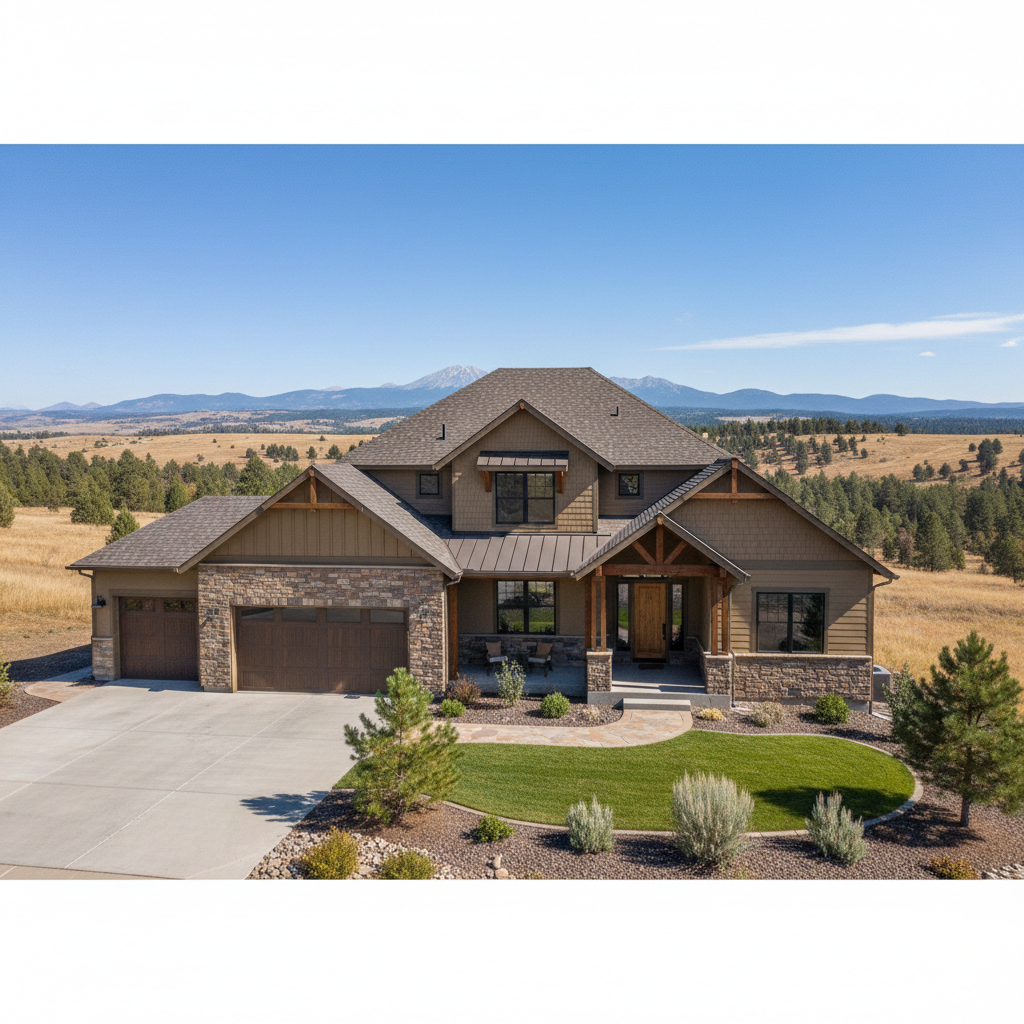
Don't Jump Into Spec Home Building Blind
Building a spec home here in Redmond can be a great investment, whether you're planning to sell it quickly or just want to build something custom to live in for a bit before moving on. But I've seen folks make some pretty big mistakes that end up costing them a lot of money and even more headaches. Let's talk about what to watch out for.
Mistake #1: Skipping the Detailed Plan (or relying on 'good enough')
This is probably the biggest one. You've got a vision, maybe some Pinterest boards, and you've sketched out a floor plan on a napkin. That's a start, but it's not a plan. Before you even think about breaking ground or hiring anyone, you need a complete, detailed set of architectural drawings. I'm talking about plans that show everything from the foundation specifics to the electrical outlets, plumbing runs, and HVAC ducting. Every single detail. If your plans aren't thorough, you're inviting change orders, delays, and budget overruns. Trust me, I've seen projects grind to a halt because the framers didn't know if a wall was load-bearing or where a window was supposed to go because the plans were too vague. Get a good architect or designer who understands local codes and what works in Central Oregon.
Mistake #2: Underestimating the Site Work & Utilities
You find a great lot, maybe a nice acreage out past the airport or a smaller infill lot in a developed area like the Dry Canyon neighborhood. You're thinking about the house itself, but what about getting water, sewer (or septic), power, and gas to it? Or what about grading? Here in Redmond, we deal with a lot of rocky soil, especially that basalt rock. Digging a foundation or trenches for utilities can be way more expensive and take longer than you'd think if you hit a big rock shelf. I've seen budgets blown wide open just on excavation because someone didn't do their due diligence on the soil conditions. Get a geotechnical report if you're on raw land. Understand the costs for bringing in utilities; sometimes that's the biggest hidden expense on a new build. Don't just assume it'll be a few thousand bucks.
Mistake #3: Picking the Lowest Bidder Every Time
Look, I get it. Everyone wants to save money. But when it comes to building a home, the lowest bid isn't always the best bid. In fact, it's often a red flag. Sometimes, a contractor bids low because they've missed something crucial in the plans, they're desperate for work, or they plan to make up the difference with change orders later. A good contractor knows their value and what it takes to do the job right. They'll give you a detailed quote, not just a single number. They'll be transparent about their process and what's included. Ask for references, check their license, and look at their past work. If a price seems too good to be true, it probably is. You're building a home, not buying a used car. You want quality and reliability, not just the cheapest option.
Mistake #4: Not Having a Contingency Budget
This goes hand-in-hand with the detailed plan mistake. No matter how well you plan, things happen. Weather delays, unexpected material costs, a supply chain hiccup, or finding something unforeseen during demolition or excavation. You need a contingency fund. I always tell clients to budget at least 10-15% of the total project cost for unforeseen issues. If you don't use it, great! You've got extra cash. But if you do need it, you won't be scrambling, delaying the project, or cutting corners on finishes. It's just smart planning.
Mistake #5: Trying to Be Your Own General Contractor Without Experience
I see this a lot, especially with folks who are handy or have managed other types of projects. They think, "How hard can it be? I'll just hire all the subs myself." While it's technically possible, being a general contractor is a full-time job. It requires deep knowledge of construction sequencing, managing multiple trades, scheduling, quality control, understanding building codes, and dealing with inspections. If you don't have experience in residential construction, you're likely to make costly mistakes, cause delays, and potentially end up with a lower-quality build. It's usually worth paying a professional general contractor who knows the ropes, has established relationships with reliable subs, and can keep the project on track and up to code. That's what we do at Valley ADU Company, and we often save clients money and stress in the long run by avoiding these pitfalls.
Mistake #6: Overlooking Resale Value and Local Market Trends
Even if you plan to live in your spec home for a while, you should always build with future resale in mind. Are you putting in finishes that are too niche or trendy for the Redmond market? Are you building a 5-bedroom house in an area where 3-bedroom homes are the norm? Think about what buyers in this area are looking for. What are the popular styles, layouts, and amenities? Drive around some of the newer developments or check out open houses in areas like Eagle Crest or the new builds happening on the north side of town. Talk to local real estate agents. Building something that's too custom or doesn't fit the local demand can make it harder to sell later, and you might not get the return on investment you were hoping for.
Building a home is a huge undertaking. Do your homework, get solid plans, hire reputable professionals, and be prepared for the unexpected. You'll thank yourself later.